
 Book a session
While the media often focuses almost exclusively on weight loss, being chronically underweight carries serious health risks: lowered immune function, chronic lethargy, nutritional deficiencies, osteopenia, and hormonal disruption. However, the common advice to “just eat junk food, sweets, and fried snacks” is dangerous. “Dirty bulking” increases visceral fat around vital organs and spikes cholesterol without building functional muscle.
A clinically engineered weight gain diet plan focuses on a clean caloric surplus — fueling your body with nutrient-dense, calorie-rich whole foods that stimulate protein synthesis and build lean mass safely.
Why Fast Metabolism and Poor Appetite Make Gaining Hard
People who struggle to gain weight typically experience one or more underlying physiological factors:
- High Basal Metabolic Rate (BMR): A hyperactive metabolism that burns through calories even at rest.
- Early Satiety: Feeling uncomfortably full after only a few bites of food due to high sensitivity of stomach stretch receptors.
- Malabsorption: Sub-optimal digestive enzyme production or gut inflammation that prevents the body from absorbing nutrients efficiently.
- Hypercatabolism: High physical activity levels, demanding work schedules, or elevated stress hormones that break down muscle tissue.
Overcoming these barriers requires smart food density rather than massive meal volumes.
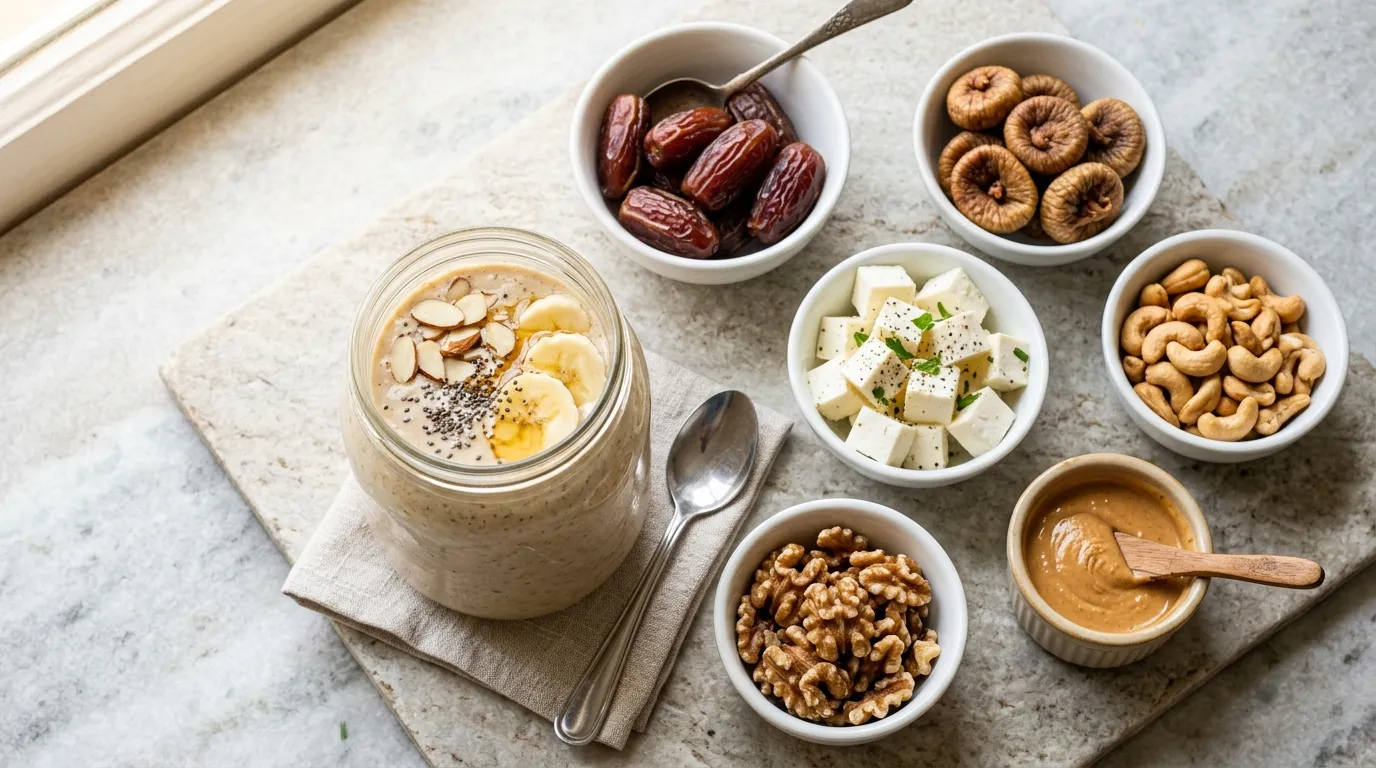 Clean weight gain relies on calorie density and nutrient richness, not empty junk calories.
The 4 Golden Rules of a Clean Weight Gain Diet Plan
1. Caloric Surplus of 300 to 500 Calories
Aiming for an extreme surplus leads to indigestion and excess fat storage. An extra 300 to 500 clean calories daily above your total daily energy expenditure (TDEE) encourages steady, high-quality weight gain of roughly 0.25 to 0.5 kg per week.
2. High-Calorie, Low-Volume Density
If you struggle with poor appetite, eating large bowls of boiled rice or salads will leave you full before you hit your caloric goals. Instead, boost the calorie density of your meals with healthy additions:
- Add a spoonful of pure desi ghee or cold-pressed olive oil to dals and cooked grains.
- Incorporate nut butters (almond, peanut, or cashew butter) into porridges and fruit snacks.
- Snack on calorie-dense dried fruits like Medjool dates, dried figs (anjeer), raisins, and soaked almonds.
3. Protein for Muscle Synthesis
Gaining weight without adequate protein results primarily in adipose fat gain. Ensure you consume 1.5 to 2.0 grams of protein per kilogram of body weight spread evenly across 4 to 5 meals. Wholesome sources include homemade paneer, full-cream curd, eggs, lentils, chickpeas, and edamame.
4. Liquid Calories Between Meals
Liquids do not trigger the same fullness signals as solid foods. Drinking a homemade, nutrient-dense smoothie between main meals is one of the easiest ways to add 400-600 calories without feeling bloated.
Sample One-Day Indian Weight Gain Meal Plan
- Morning Booster (7:00 AM): 4-5 soaked almonds, 2 soaked walnuts, 2 Medjool dates, and 1 dried fig (anjeer).
- Nutritious Breakfast (8:30 AM): 2 paneer or aloo-methi stuffed parathas cooked with ghee, paired with 1 bowl of thick homemade curd, or a bowl of rich banana-almond oatmeal.
- Mid-Morning Energy Shake (11:00 AM): High-calorie powerhouse smoothie: 1 glass of whole milk (or fortified soy milk), 1 ripe banana, 1 tablespoon of peanut butter, 1 tablespoon of chia seeds, and 1 teaspoon of honey.
- Hearty Lunch (1:30 PM): 2 whole wheat rotis topped with desi ghee, 1 cup of steamed jeera rice, 1 large bowl of thick dal makhani or rajma, 1 cup of seasonal vegetable sabzi, and a side of sprouted moong salad.
- Evening Snack (5:00 PM): A paneer vegetable roll wrapped in a whole wheat roti, or 2 boiled eggs with a slice of whole grain toast and roasted cashews.
- Nourishing Dinner (8:00 PM): 2 multigrain rotis, 1 bowl of paneer bhurji or grilled fish/chicken, and a warm bowl of creamy vegetable soup.
- Bedtime Calming Drink (10:00 PM): 1 cup of warm turmeric milk (golden milk) with a pinch of nutmeg and crushed almonds.
Common Mistakes When Trying to Gain Weight
- Relying on ultra-processed junk: Commercial pastries, deep-fried snacks, and sugary sodas trigger systemic inflammation, skin breakouts, and fatty liver disease.
- Drinking water right before or during meals: Water stretches the stomach lining, dilutes digestive juices, and makes you feel falsely full. Drink water 30 minutes before or after meals.
- Neglecting progressive resistance training: Lifting weights signals your muscles to utilize surplus calories for tissue repair and growth rather than fat storage.
Get a Custom Weight Gain Protocol
Gaining healthy weight requires a methodical, individualized approach that respects your digestive capacity, lifestyle, and medical background. At Dietitian Shreya’s Family Diet Clinic, we evaluate your metabolic rate and create enjoyable, sustainable meal plans that make consistent weight gain feel effortless.
Ready to build strength and vitality? Start your personalized weight gain program with Dietitian Shreya’s clinical team today.