
 Book a session
Millions of people taking thyroid medication every morning still wake up feeling exhausted, experience dry skin, lose hair, and battle unexplained weight gain. Medication replaces the missing hormone (typically synthetic T4), but your diet determines whether your body can convert that T4 into active, fat-burning T3. A targeted thyroid diet plan is designed to provide the micronutrient cofactors your liver, gut, and thyroid gland need to regulate metabolic rate.
Why Medication Alone Isn’t Always Enough
The thyroid produces mainly thyroxine (T4), an inactive pro-hormone. For your cells to use it for energy and metabolic heat, T4 must be converted into triiodothyronine (T3). Roughly 20% of this conversion happens in the gut microbiome, and the rest occurs primarily in the liver and peripheral tissues.
If you have a sluggish liver, leaky gut, or deficiencies in key minerals, conversion slows down. Your blood test may show “normal” TSH while you still experience:
- Brain fog, extreme fatigue, and morning sluggishness
- Cold intolerance and brittle nails
- Severe water retention and puffiness around the face
- Stubborn weight that refuses to budge even on low-calorie intake
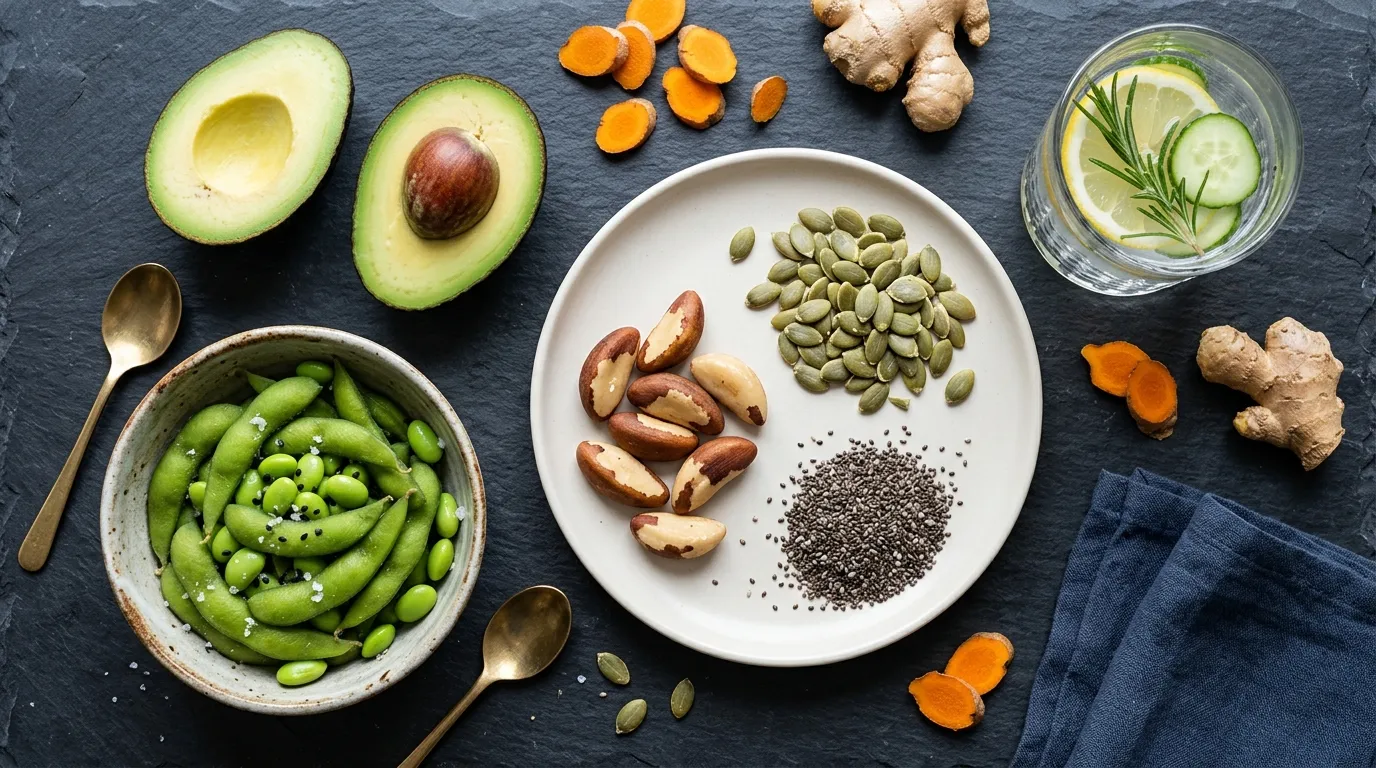 Key micronutrients like selenium, zinc, and tyrosine are essential cofactors for thyroid hormone conversion.
Critical Nutrients in a Thyroid Diet Plan
1. Selenium & Zinc: The Conversion Catalysts
Selenium is vital for the deiodinase enzymes that convert T4 to active T3, while also protecting the thyroid gland from oxidative damage. Just 2 to 3 Brazil nuts a day or a serving of sunflower seeds and mushrooms provides your daily selenium requirement. Zinc, found in pumpkin seeds, lentils, and whole grains, regulates TSH synthesis.
2. Tyrosine: The Protein Precursor
Tyrosine is an amino acid that binds with iodine to form thyroid hormones. Rich natural sources include paneer, yogurt, sesame seeds, almonds, and legumes. Ensuring sufficient bioavailable protein at every meal protects metabolic tissue.
3. Gut-Healing Dietary Fiber
Because the gut converts a significant portion of thyroid hormones, optimal digestion is critical. Incorporating soluble fiber from oats, flaxseeds, and steamed vegetables keeps gut flora balanced while preventing the severe constipation commonly caused by hypothyroidism.
4. Smart Management of Goitrogens
Cruciferous vegetables like broccoli, cauliflower, cabbage, and kale contain glucosinolates (goitrogens) that can interfere with iodine uptake if eaten raw in large amounts. However, cooking or steaming deactivates goitrogens completely, making them entirely safe and beneficial to include in your meals.
Sample One-Day Indian Thyroid Meal Plan
- Morning (6:30 AM - on empty stomach): Take your prescribed thyroid medication with plain water only. Wait at least 45 minutes before consuming food or caffeine.
- Breakfast (8:15 AM): Vegetable oats upma or vegetable besan cheela garnished with 1 tablespoon of roasted pumpkin and chia seeds.
- Mid-Morning (11:00 AM): 2 Brazil nuts with a warm cup of herbal coriander seed water (soaked and boiled dhania water, traditionally celebrated for metabolic support).
- Lunch (1:30 PM): 1-2 whole grain rotis (or brown rice), 1 bowl of yellow moong dal with a touch of ghee, 1 cup of thoroughly cooked seasonal sabzi (like bottle gourd or tori), and fresh cucumber slices.
- Evening Snack (5:00 PM): A handful of roasted chana or a warm cup of light ginger-cinnamon tea.
- Dinner (8:00 PM): Light paneer and vegetable soup or a bowl of spiced khichdi with mixed vegetables and a small side of curd.
Mistakes That Harm Your Thyroid Function
- Drastic low-calorie crash diets: Severe caloric restriction signals a starvation response, down-regulating T3 production by up to 50% to conserve energy.
- Taking calcium or iron supplements with thyroid medicine: Calcium and iron bind to thyroxine and prevent its absorption. Always space them at least 4 hours apart from your morning medication.
- Ignoring food sensitivities: Chronic consumption of refined flours, trans-fats, and ultra-processed snacks fuels systemic inflammation that exacerbates autoimmune Hashimoto’s thyroiditis.
Clinical Guidance for Thyroid Recovery
Every individual’s thyroid condition requires careful assessment — including anti-TPO antibody titers, reverse T3 levels, and liver function. At Dietitian Shreya’s Family Diet Clinic, our clinical protocols prioritize restoring thyroid balance through bioavailable Indian cuisine rather than starvation.
Take control of your metabolism today. Schedule your thyroid consultation to receive a customized diet plan built for your body’s biochemical profile.