
 Book a session
The scale can drop and you can still look and feel worse — that’s what happens when weight loss comes from muscle instead of fat. A proper fat loss diet plan is built specifically to avoid that trap, protecting muscle while the fat comes off.
Fat Loss vs Weight Loss: Why the Difference Matters
Weight loss is just a lower number on the scale — it can come from water, muscle, or fat. Fat loss specifically targets body fat while preserving lean muscle, which is why two people can lose the same 5 kg and look completely different afterward. If your last diet left you “skinny fat” or exhausted, it was likely a weight loss plan, not a fat loss one.
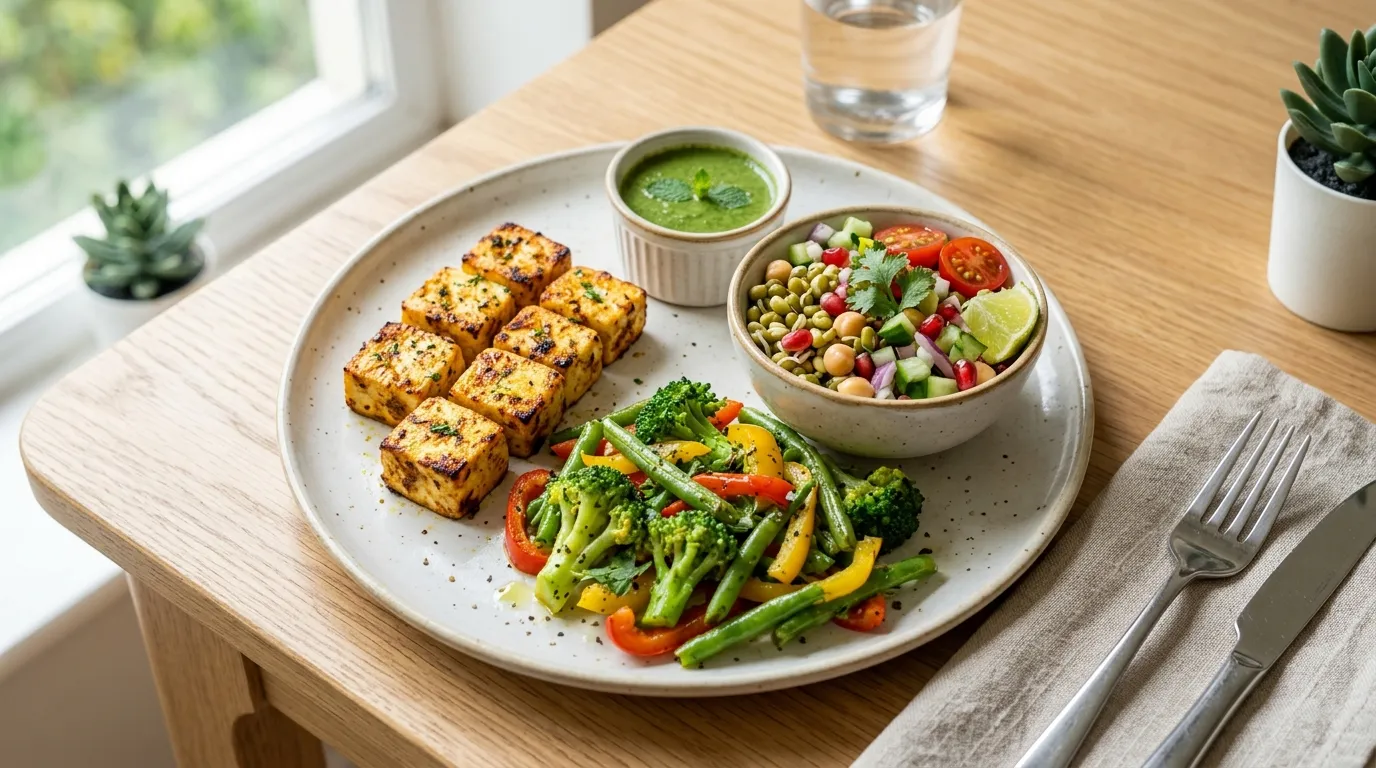 A fat loss diet plan protects muscle while the fat comes off.
Core Principles of an Effective Fat Loss Diet Plan
Protein to preserve muscle
Higher protein intake than a standard weight loss plan signals your body to hold onto muscle even while you’re eating less overall. This is the single biggest difference between a fat loss plan and a generic diet.
A strategic, not extreme, deficit
Too large a deficit forces the body to break down muscle for energy alongside fat. A moderate, sustained deficit gives your body room to preferentially burn fat stores instead.
Carb and fat balance around activity
Carbs timed around workouts fuel performance and recovery, while healthy fats support hormone production — both matter more in a fat loss plan than in simple calorie-counting.
Foods That Support Fat Loss
- Lean protein sources: eggs, paneer, dal, chicken, fish.
- High-fiber vegetables that fill you up without excess calories.
- Complex carbs like oats, brown rice, and whole wheat, timed around activity.
- Healthy fats in controlled portions — nuts, seeds, ghee in moderation.
Common Fat Loss Mistakes
Cutting calories too aggressively, skipping protein to “save” calories, relying on cardio alone without any strength training, and chasing quick results with detox teas or extreme fasting all work against fat loss — most of them cause muscle loss, water loss, or both, which shows up as a lower number but not real fat loss.
How to Personalize Your Plan
Your ideal protein target, deficit size, and meal timing depend on your current body composition, activity level, and any medical conditions — not a generic percentage from an app. A clinical dietitian builds this around your actual numbers and adjusts it as your body responds.
Book a consultation to get a fat loss diet plan that targets fat specifically, not just the number on the scale.